What Is a Personal Loan?
A personal loan is a type of installment loan. Lenders disburse a lump sum, and you repay it in fixed monthly payments over a set term. Personal loans are typically used for larger expenses such as debt consolidation, home improvements, or medical bills.
- Repayment term: typically 1 to 7 years
- Payments are fixed and predictable
Sources: Upstart Learn, MoneyLion
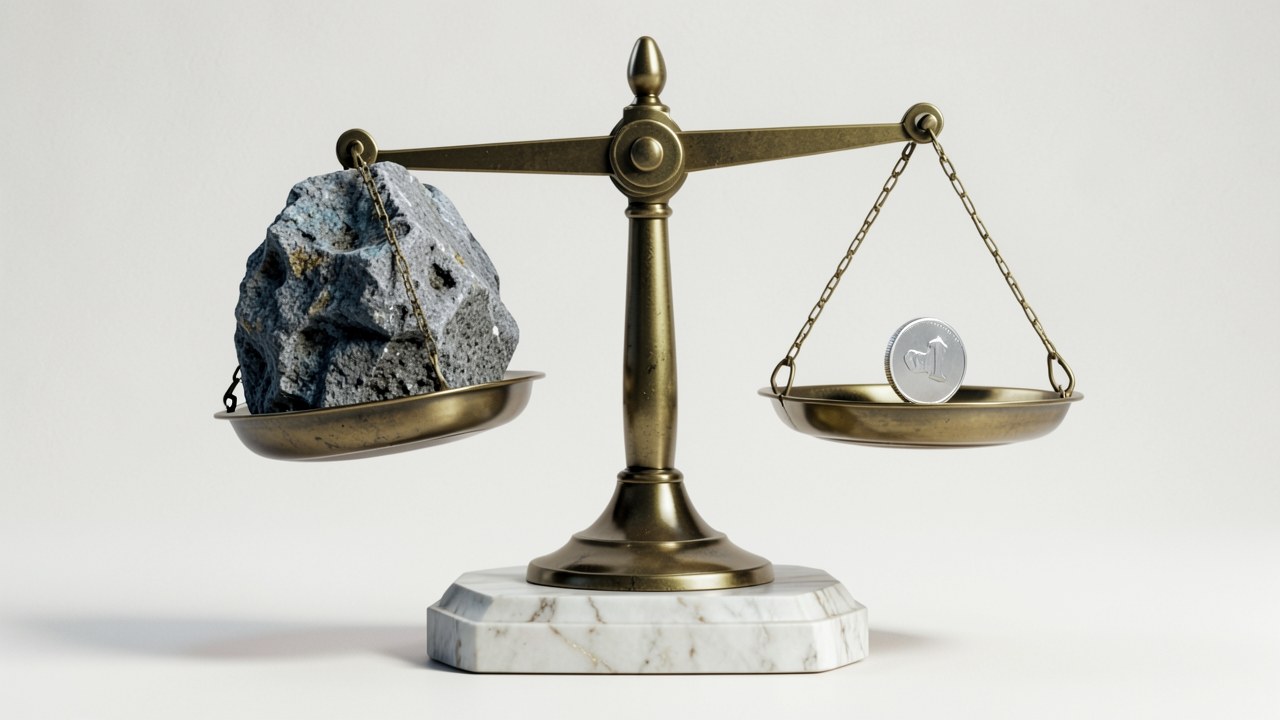
What Is a Payday Loan?
A payday loan is a short-term, small-dollar loan that is usually due on your next payday. In most cases, the repayment term is only 2 to 4 weeks. These loans are often marketed as a quick fix for unexpected expenses, but they come with high costs and tight repayment terms.
- Repayment term: usually 2 to 4 weeks
- One lump-sum payment is often required
- Typically no credit check
Cost Comparison: APR and Fees
Payday loans charge fees rather than traditional interest. A common fee is $10 to $30 per $100 borrowed. For a two-week loan with a $15 fee per $100, the APR would be nearly 400%. This fee structure can make the cost of borrowing extremely high for a short period.
- Personal loan APR range: typically 6% to 36%
- Payday loan APR range: typically 400% or higher
- Payday loan fees: typically $10 to $30 per $100 borrowed
Sources: Consumer Financial Protection Bureau, Upstart Learn, MoneyLion, Center for Responsible Lending
Repayment Structure: Installment vs. Lump-Sum
Personal loans are repaid in fixed monthly installments. You know exactly how much you owe each month and when the loan will be paid off. This structure makes it easier to budget and manage repayment over time.
Payday loans typically require a lump-sum repayment on your next payday. The entire loan amount plus fees must be paid back at once. This can be difficult if you are already living paycheck to paycheck. If you cannot repay in full, many borrowers roll over the loan, paying additional fees and extending the debt. This can lead to a cycle of debt.
- Personal loan: fixed monthly payments over a longer term
- Payday loan: one lump payment due in a few weeks
- Payday loans are often rolled over, leading to repeated fees
Sources: Consumer Financial Protection Bureau, Upstart Learn, MoneyLion
Credit Impact and Eligibility
Payday loans usually do not require a credit check, making them easier to obtain with just a job and a bank account. However, payday lenders typically do not report your payments to credit bureaus, so they do not help you build credit. If you default on a payday loan, the lender may send the debt to a collection agency, which could hurt your credit.
Because of these differences, personal loans can be a better option for building credit when you need to borrow money.
- Personal loans usually check credit and report payments to credit bureaus
- Payday loans usually do not check credit and typically do not report payments
- Eligibility for personal loans often depends on your creditworthiness; payday loans rely more on proof of income
Sources: Consumer Financial Protection Bureau, Upstart Learn, MoneyLion
When Each Option Might Be Considered
Personal loans are often used for planned expenses or debt consolidation. The longer repayment terms and lower APRs make them suitable for larger purchases or refinancing existing debt.
Payday loans might seem appealing as a quick solution for a small, unexpected cash shortage, but the high fees and short repayment period create significant risk. If you are certain you can repay the loan in full on your next payday, a payday loan might cover a temporary gap, but this is a costly option and not recommended as a long-term solution.
- Personal loans are useful for planned or larger expenses when you have time to repay
- Payday loans might cover an immediate shortfall, but they carry high costs and can lead to a debt trap
Sources: Consumer Financial Protection Bureau, Upstart Learn, MoneyLion
Alternative Solutions to Payday Loans
Before turning to a payday loan, consider other options that are less expensive and safer for your financial health.
Alternatives include personal loans, credit card cash advances, or borrowing from family or friends. You might also ask your employer for a paycheck advance or negotiate with creditors for more time to pay. Community-based programs and credit unions sometimes offer small loans at much lower rates.
Always compare the total cost of borrowing, including any fees, and seek only the amount you truly need.
- Look for lower-cost borrowing options
- Consider negotiating with creditors or seeking an advance from your employer
- If you need help managing debt, contact a nonprofit credit counseling service
Sources: Upstart Learn, MoneyLion
Side-by-Side Comparison and Decision Criteria
The following table summarizes the key differences between personal loans and payday loans. Keep in mind that actual terms and rates vary by lender and your credit profile.
When deciding between them, consider your need for a larger amount, how long you need to repay, and the total cost. A personal loan is often a better choice if you need more money and a longer repayment period at a lower APR. A payday loan may be tempting for an immediate small need, but its extremely high APR and short repayment term make it risky for most situations.
This comparison can help you evaluate which option is more affordable and a better fit for your situation.
| Feature | Personal Loan | Payday Loan |
|---|---|---|
| APR range | Typically 6% to 36% | Typically 400% or higher |
| Repayment term | 12 to 84 months (1 to 7 years) | Usually due in 2 to 4 weeks |
| Repayment structure | Fixed monthly installments | Lump-sum payment on next payday |
| Credit check required | Yes | Typically no |
Sources: Consumer Financial Protection Bureau, Upstart Learn, MoneyLion, Center for Responsible Lending
Frequently asked questions
Why are payday loans so expensive compared to personal loans?
Payday loans charge very high fees relative to the amount borrowed. A typical fee of $15 per $100 for a two-week loan results in an APR of nearly 400%. In contrast, personal loans have APRs that usually range from 6% to 36%, making them far less costly over time.
Sources: Consumer Financial Protection Bureau, Upstart Learn, MoneyLionCan a payday loan help build credit?
In most cases, no. Payday lenders typically do not report your payment history to the credit bureaus, so making on-time payments does not build your credit. If you default and the debt is sent to a collection agency, that negative information can hurt your credit.
Sources: Upstart Learn, MoneyLionAre there any situations where a payday loan is a better choice?
Payday loans might be considered for a very short-term cash shortage if you are certain you can repay the full amount on your next payday. However, the very high fees and lump-sum repayment structure make this a risky option. Explore other alternatives, such as personal loans or employer advances, before deciding.
Sources: Consumer Financial Protection Bureau, MoneyLionSources
- CFPB Proposes Rule to End Payday Debt Traps — Consumer Financial Protection Bureau
- Personal Loans vs. Payday Loans: Which is Better? — Upstart Learn
- Payday Loan vs. Personal Loan: Which One Costs You Less? — MoneyLion
- Down the Drain: Payday Lenders Take $2.4 Billion in Fees from Borrowers in One Year — Center for Responsible Lending